How Has the Role of Art Museums Changed in the Digital Age?
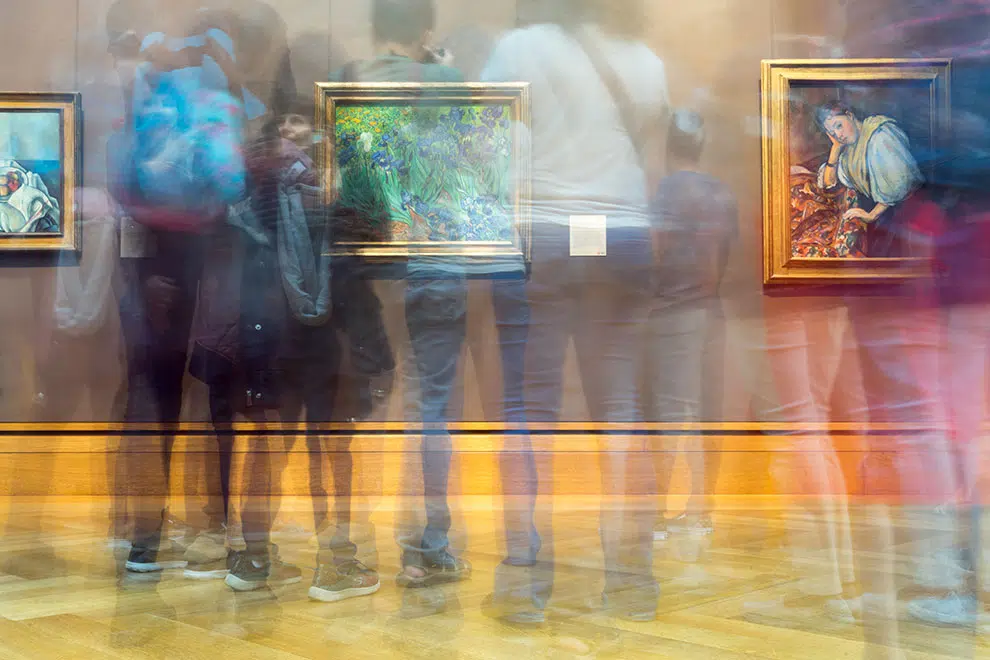
For my research, I investigated how the role of art museums has evolved in the digital age. Today, art museums are starting to adapted to technological advancements, combining traditional physical experiences with digital offerings. To ensure art museums remain adaptable and sustainable, innovative solutions are essential. I explored how digital platforms and various forms of media could potentially transform the landscape and trajectory of physical art museums. Discovering how online apps have changed the museum experience, how movies have impacted perceptions of museums, and how the emergence of virtual reality could influence a new wave of art displays were all findings that helped answer my guiding question.
Digital Platforms Expanding Art Education and Artistic Identity
Many apps have emerged specifically designed to enhance and expand people’s knowledge of art and historical artists. Smartify, a mobile app with a comprehensive art database, offers educational content and personalized features to help individuals deepen their understanding and appreciation of art.
The app has transformed the art-viewing experience by allowing users to scan artworks and instantly access detailed information about the pieces and their creators. Art education is essential for preserving physical art museums because it builds an audience that values and supports them. It also drives interest and advocacy for their preservation and funding. Through Smartify, I discovered that making art education more accessible can foster a greater appreciation for art museums, thereby keeping them relevant in the digital age. Additionally, enhancing the museum experience by making it more engaging and enjoyable can help maintain the interest of younger audiences and people with limited artistic knowledge.
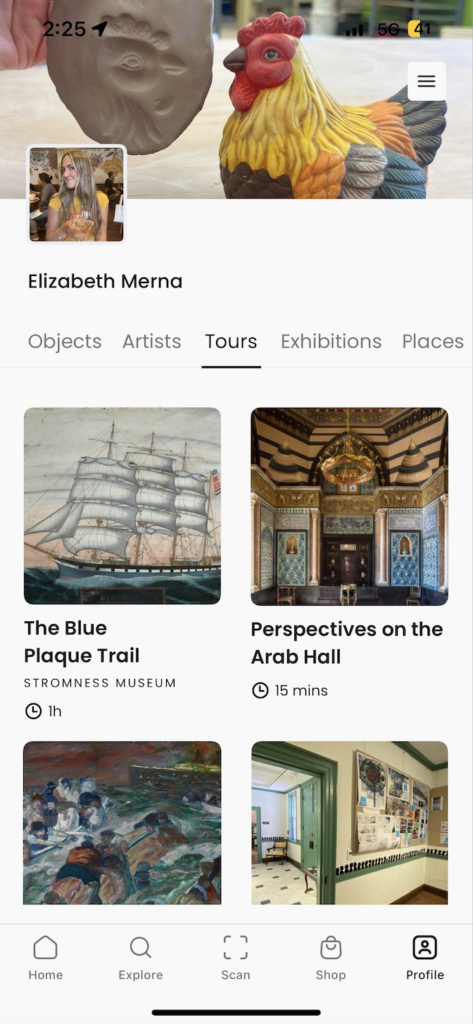
Enriching artistic education by nurturing an interactive approach to exploring art is key to sustaining physical art museums today. In the digital age, immersive art experiences make the encounter more engaging and personal, particularly for those with no prior artistic knowledge. The app has adapted to the digital age by incorporating social media elements, such as user profiles, which allow people to personalize their experience and easily navigate content tailored to their interests. This approach helps users connect more deeply with the art they encounter, as they can revisit favorite works and grow in their artistic journey. The ability to share favorite pieces with others also fosters a community of art lovers, making the app a valuable tool for art enthusiasts.
The role of art museums has evolved in the digital age to become more interactive and engaging by incorporating technology and apps such as Smartify. Museums are embracing digital platforms to enhance the visitor experience, making art more accessible and personal through features such as instant information, immersive experiences, and social media elements. This shift is helping to attract and retain younger audiences and those with little prior artistic knowledge while also fostering a community of art lovers. By integrating digital tools, museums can better sustain their relevance, drive interest and advocacy for preservation, and cultivate an audience that values and supports them.
Transforming the Perspective of Art Museums in Movies
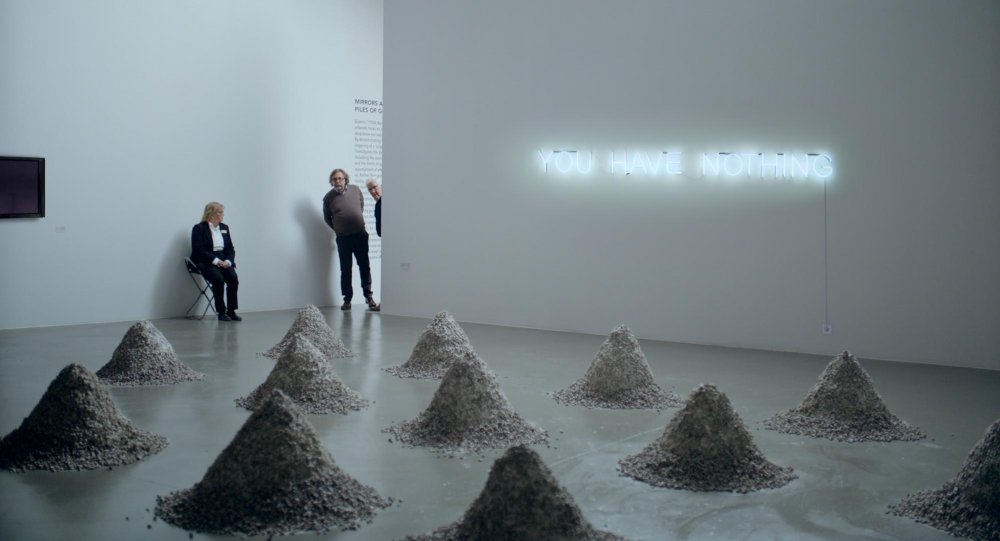
Film is a medium that can shape perspectives on art museums. In exploring different movies, I found “The Square” to offer an intriguing perspective. The movie presents a satirical critique of the contemporary art world, examining themes of privilege, societal norms, and the disparity between artistic principles and human behavior. It provides insight into how, in the digital age, museums must cater to shorter attention spans and spark a viral effect to maintain interest. These strategies are effective in keeping audiences engaged and creating captivating experiences, ensuring art museums remain relevant in a rapidly changing digital landscape.
“The public has a right to art… Art is for everybody.”
Keith Haring
“The Square” raises the important point that contemporary art should be accessible to everyone, not just to an elite few. Art has the power to inspire, challenge, and connect people from all walks of life. Recognizing the universal appeal of contemporary art can promote inclusivity and diversity, allowing a broader range of voices and perspectives to be heard in the art world. This broader engagement and appreciation of art can nurture and sustain art museums today. By breaking down the perception of art as elitist, more people can engage with and contribute to a richer, more vibrant artistic community.
Consequently, art museums are now adapting to a fast-evolving digital environment by offering immersive and shareable experiences to stay relevant. This shift emphasizes the importance of making contemporary art more accessible to everyone and dispelling elitist perceptions. As museums become more inclusive and diverse, they cultivate a richer and more vibrant artistic community that supports and strengthens art museums.
Making Exhibitions More Immersive Through Virtual Reality
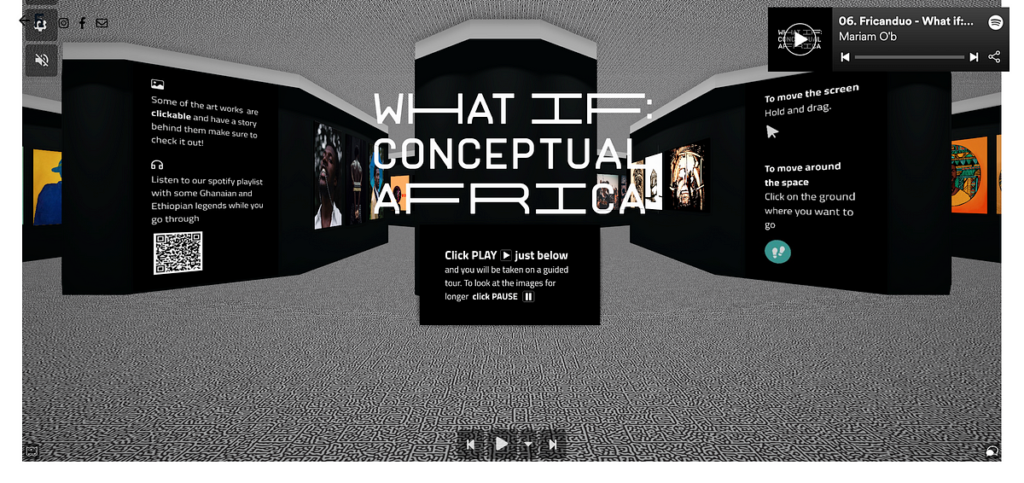
Recognizing that interactivity plays a crucial role in maintaining museum audience engagement, I researched virtual reality exhibitions, particularly those available on the platform ArtSteps. This online platform allows users to create, share, and explore virtual 3D art galleries, providing artists, curators, and art institutions with a space to display and experience art in a novel way. Virtual reality exhibitions offer fully immersive environments, allowing viewers to explore art in 3D and from multiple perspectives, which creates a sense of presence and heightened engagement. These exhibitions are more accessible and enable artists and curators to experiment with new forms of presentation, such as interactive elements and spatial sound. Additionally, VR exhibitions can be easily updated or modified, offering flexibility to adapt to audience feedback and evolving trends.
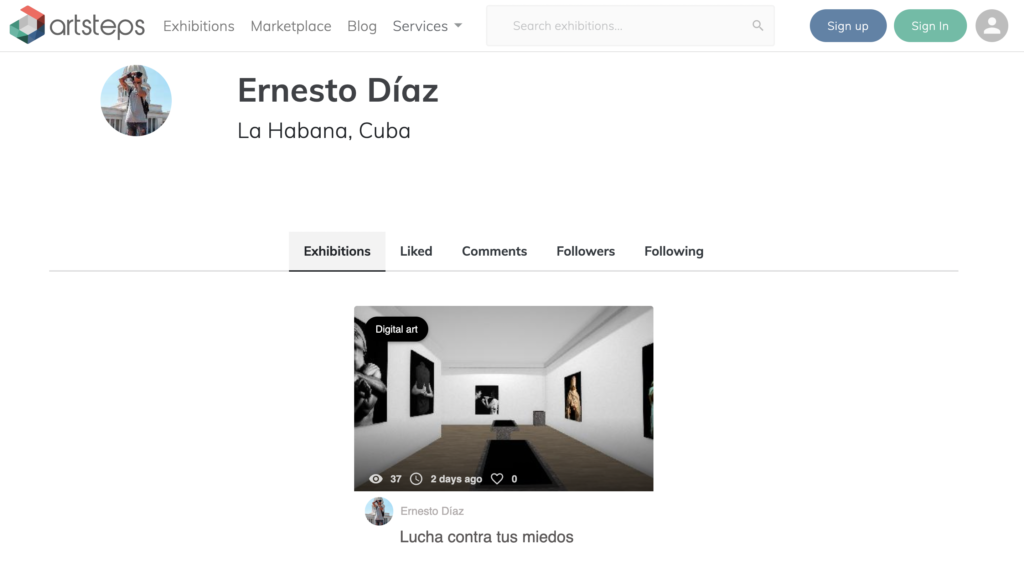
On ArtSteps, users upload exhibitions to their profiles, follow others, send messages, and like other galleries, mirroring a social media platform. This familiarity with user profiles and the ability to interact with friends fosters community building and encourages sharing and collaboration among artists and enthusiasts. Consequently, a community has emerged that offers support and inspiration, enabling artists to exchange ideas and enhance their craft. This also establishes a cultural hub that attracts audiences and promotes appreciation for the arts.
Growing an artistic community through virtual reality exhibitions has led to innovative and transformative methods of displaying art, fostering appreciation for art, and creating a space for dialogue and exchange. Virtual reality has reshaped the role of physical art museums by extending the reach of exhibitions beyond traditional boundaries and providing new ways to engage with art. Museums can now supplement their physical exhibits with VR experiences, offering visitors more immersive and interactive content. Furthermore, virtual reality can preserve and showcase fragile or rare works that may not be easily accessible in person, enhancing the museum experience and providing new perspectives on art.
Conclusion
The preservation of this new age of experiencing and learning about art can be made possible through digital platforms, the influence of film, and virtual reality exhibitions. These innovative approaches have the potential to transform the role of physical art museums in the digital age. For museums today, the key is to broaden their reach and engage with audiences in more interactive and inclusive ways. By creating immersive, shareable, and personalized experiences that cater to modern preferences and attention spans, museums can sustain their influence. As a result, physical art museums will maintain their relevance and art communities will unite in creating new ways of experiencing art that align with the needs of contemporary society. My research suggests that these unconventional methods will attract larger audiences, keeping the art community invested and enthusiastic while also contributing to the overall sustainability of physical art museums. Although the role of art museums has not fundamentally changed, society’s relationship with art—how people interact with and understand it—is evolving in a positive direction.